Cleaning is an essential part of maintaining any home or business. However, behind every bottle, spray, or detergent, there are chemical substances that—if not handled correctly—can pose risks. Knowing how to use them safely not only protects the health of those doing the cleaning, but also helps preserve surfaces and the space itself.
This article walks you through the most common risks, best practices, and key rules for safely handling cleaning chemicals. And if you’re looking for reliable, professional supplies, you can explore certified options at https://jmjanitorialsupplies.com/.
1. The Most Common Risks When Using Cleaning Products
Even when products look harmless, their chemical composition can create problems if misused. These are the most frequent risks:
a) Skin and Eye Irritation
Chemicals can cause redness, burning, allergies, or even more severe injuries.
b) Inhalation Intoxication
Ammonia, bleach, degreasers, and aerosols can release vapors that affect the respiratory tract.
c) Dangerous Product Combinations
One of the most hazardous mistakes is mixing cleaning products without understanding their reactions.
For example: bleach + ammonia = toxic gases that can be extremely harmful.
d) Damage to Surfaces
Beyond health risks, incorrect use can damage floors, wood, stainless steel, or special finishes.
2. Preventing Accidents: Best Practices
Prevention is always your best tool. These simple steps work for both homes and businesses:
✔ Wear the right gloves
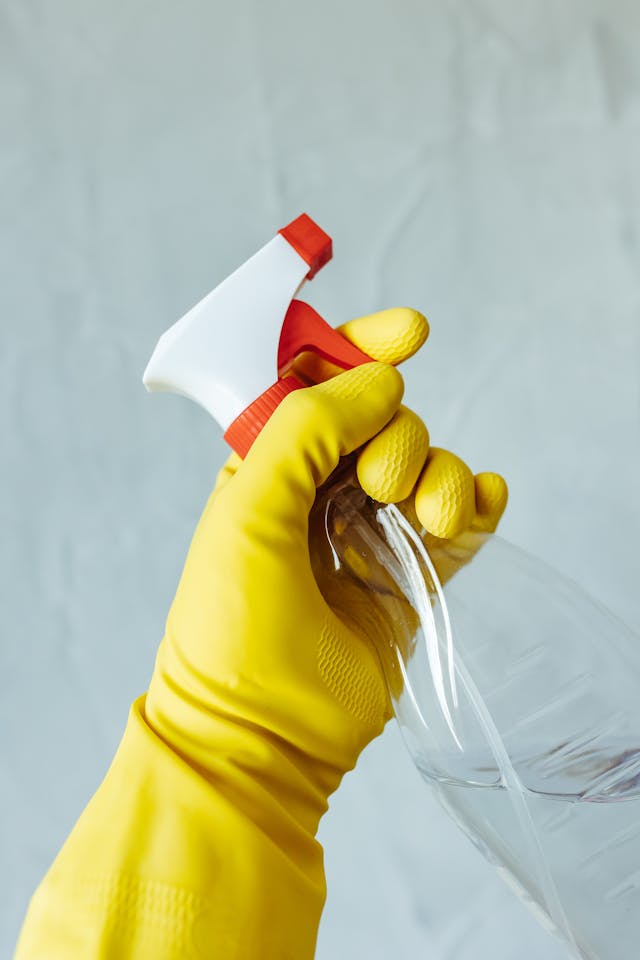
Gloves not only prevent irritation but also reduce chemical absorption through the skin. Choose nitrile or latex depending on the product.
✔ Protect your eyes with safety goggles
Essential when handling corrosive liquids, degreasers, or concentrated disinfectants.
✔ Ensure good ventilation
Opening windows, using exhaust fans, or working outdoors minimizes vapor exposure.
✔ Always read the labels
Each product includes instructions, warnings, and recommended contact times.
A small oversight can lead to dangerous reactions.
✔ Never mix products
If you need to disinfect or clean again, rinse the surface first.
✔ Use quality tools
A poorly made sprayer, an old cloth, or a damaged container can cause avoidable accidents.
At jmjanitorialsupplies.com, you’ll find professional tools that make cleaning safer.
3. What to Do in Case of Spills or Accidents
Having a clear response plan can prevent larger issues:
a) Spills of liquid products
- Put on gloves.
- Isolate the area and keep others away.
- Absorb the spill with towels or absorbent material.
- Do not mix cleaners to “neutralize” the spill—just remove it.
- Dispose of the waste as recommended on the label.
b) Skin irritation or contact
- Rinse the area with plenty of water for at least 15 minutes.
- Seek medical attention if irritation continues.
c) Contact with eyes
- Rinse immediately with running water.
- Avoid rubbing your eyes.
- Get medical help if there is pain or blurred vision.
d) Inhalation of vapors
- Move to fresh air right away.
- Loosen tight clothing.
- Seek help if you feel dizzy, nauseous, or have trouble breathing.
4. Safe Storage of Cleaning Products
Proper organization isn’t just neat—it’s protective:
- Keep products in their original containers.
- Store them out of reach of children and pets.
- Avoid placing them near heat sources.
- Never store incompatible chemicals together (bleach and ammonia must be kept apart).
- Close containers immediately after each use.
- Maintain an updated inventory to avoid unnecessary accumulation.
5. Training Employees or Users to Work Safely
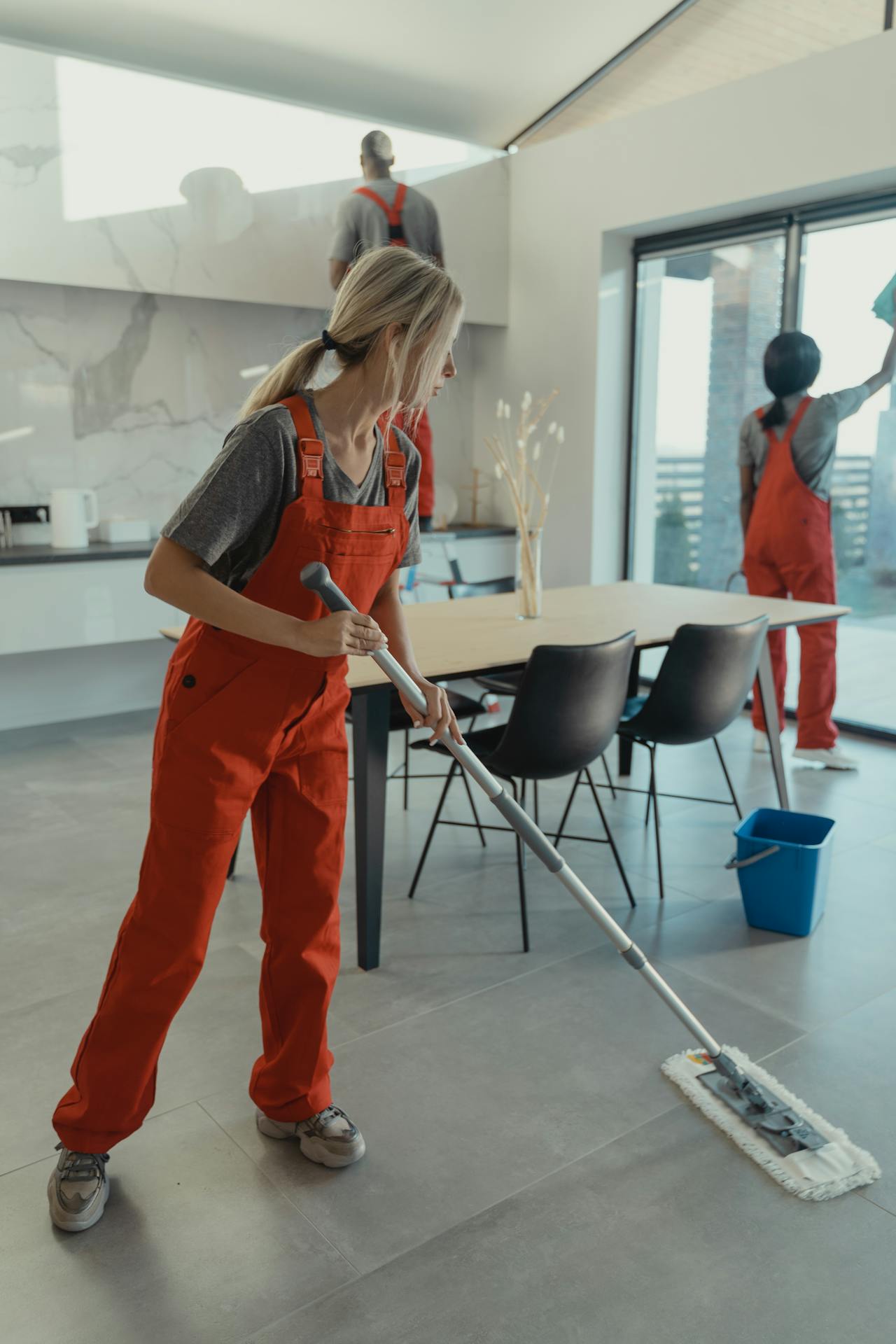
If you manage a cleaning team or people who regularly use supplies, proper training is essential.
✔ Provide a simple safety guide
Include safety procedures, how to use each product, and what to avoid.
✔ Teach them how to read labels and hazard symbols
Pictograms are universal and easy to remember.
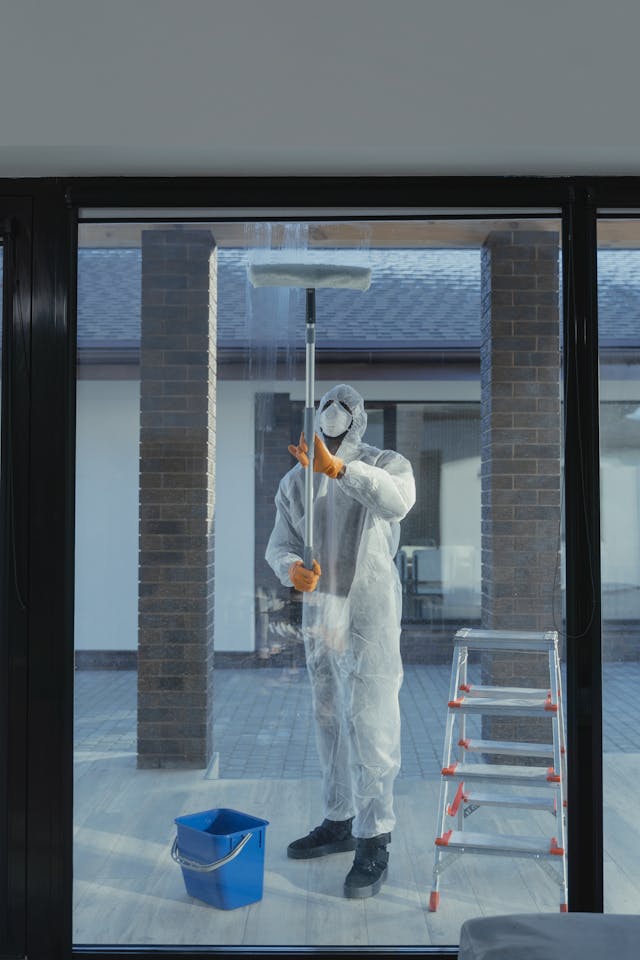
✔ Train them on how to use protective equipment
Gloves, masks, goggles, and appropriate clothing.
✔ Offer supervised practical sessions
Hands-on learning is always more effective.
✔ Ensure access to high-quality products
Reliable tools reduce risks significantly.
You can recommend professional-grade options like those available at https://jmjanitorialsupplies.com/.
Conclusion
Cleaning doesn’t have to be dangerous. With knowledge, prevention, and the right tools, anyone can perform cleaning tasks safely. Whether at home or in a professional environment, the key is training, responsible chemical use, and access to high-quality supplies.
If you’re looking for safe, professional cleaning products, equipment, or tools, visit https://jmjanitorialsupplies.com/ for reliable solutions.