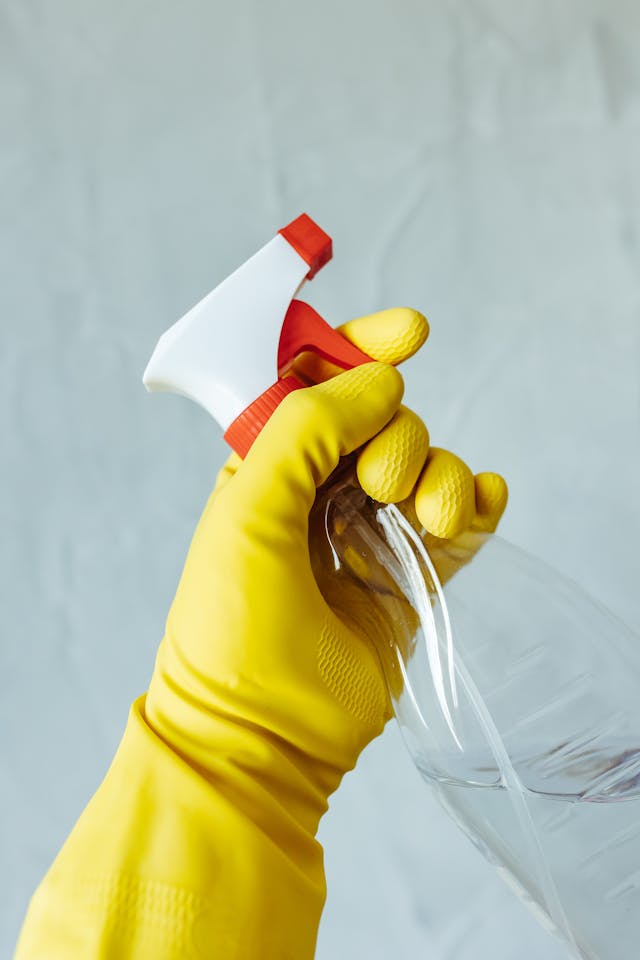
Cleaning seems simple… until it isn’t. Many people unintentionally make mistakes that reduce effectiveness, waste time, and even damage surfaces. The good news? Most of these errors can be prevented by using the right tools and techniques.
1. Using the Wrong Cleaning Product for Each Surface
One of the most frequent mistakes is applying a single cleaner to everything. This can leave streaks, cause buildup, or even deteriorate materials like wood, stainless steel, or natural stone.
How to avoid it: Choose products designed specifically for each surface—glass cleaners, disinfectants, degreasers, floor care formulas, and more.
2. Not Changing or Washing Cleaning Cloths Often Enough
Dirty cloths spread germs instead of removing them. Using the same rag in multiple areas cross-contaminates, especially in kitchens and bathrooms.
Solution: Use microfiber cloths and have designated colors for different areas.
3. Ignoring High-Touch Areas
Light switches, doorknobs, handrails, and keyboards are among the dirtiest spots—yet often forgotten.
Tip: Include these “invisible hotspots” in your regular routine.
4. Using Worn-Out Tools
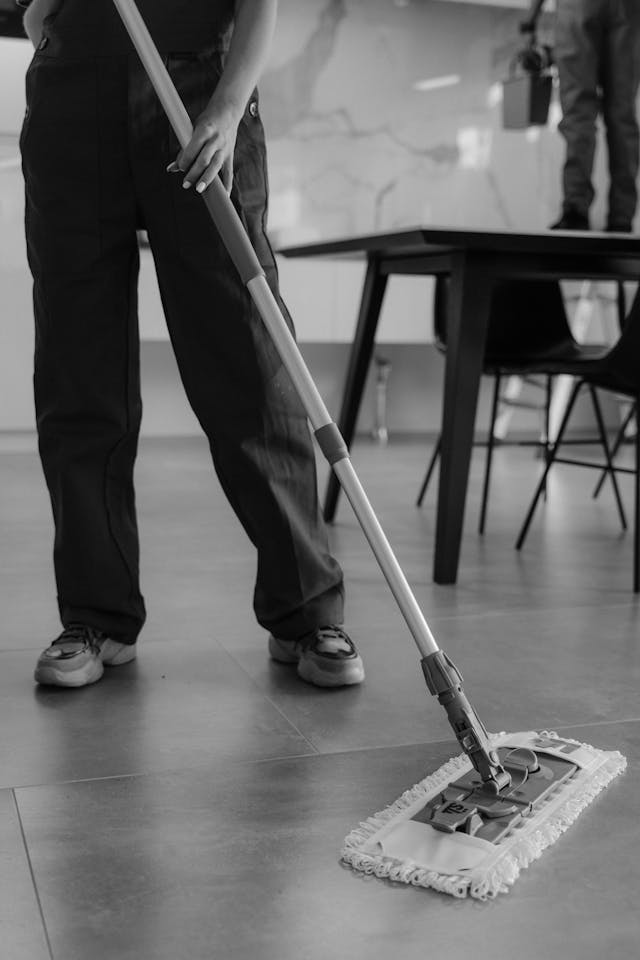
A broom with bent bristles or an old mop that no longer absorbs properly makes cleaning harder and less effective.
Fix: Replace tools regularly to maintain performance and hygiene.
5. Not Letting Disinfectants Sit Long Enough
Spraying and wiping immediately doesn’t disinfect. Products need proper contact time to kill bacteria.
Recommendation: Read product labels and respect the required dwell time.
6. Sweeping Instead of Vacuuming First
Sweeping spreads dust into the air. Vacuuming removes more debris, especially in corners and textured floors.
Better approach: Vacuum first, then mop.
7. Using Too Much Water on Wood or Delicate Floors
Excess water can cause swelling, stains, or long-term damage.
Avoid it: Use damp—not wet—mops and products specifically formulated for wood or sensitive flooring.
Final Recommendation
Quality cleaning isn’t just about effort—it’s about using the right tools. With proper products, cloths, equipment, and cleaning methods, results improve dramatically while saving time and protecting surfaces.